


AI Summary
Are you considering using WordPress but aren’t sure why you should? Every year someone announces that WordPress is finished, and every year the numbers say otherwise.
WordPress is a free, open-source software that runs 40.3% of all websites and 58.8% of every site built on a known CMS.
However, the argument one gets nowadays is that one can simply describe a website to an AI builder and have something usable back in under two minutes.
Well, all that looks and sounds good but the real question is what happens to that site six months later, when you want to move it or hand it to somebody else.
I’ve put together a list of the most important reasons why you should use WordPress (and how it can help your website grow).
- What Is WordPress Used For?
- Why Use WordPress?
- 1. WordPress Is Free
- 2. WordPress Is SEO-Friendly
- 3. Flexible Functionality
- 4. WooCommerce Integration
- 5. Endless Design Options
- 6. WordPress Is Secure
- 7. The WordPress Community
- 8. No Coding Needed
- 9. Integrating Google Analytics
- 10. It's Scalable
- 11. Universal Dashboard
- 12. AI Assistants Can Build Your Site With You
- 13. WordPress Keeps Shipping
- Need More Ideas for How to Use WordPress?
What Is WordPress Used For?
WordPress is a content management system people use to build and run websites without writing code. It handles most kinds of site you can think of:
- Business sites: Brochure sites, service pages, and local listings
- Blogs and publications: From personal blogs to full newsrooms
- Online stores: ‘p’physical products, digital downloads, and subscriptions
- Portfolios: Photography, design, and writing samples
- Membership sites: Paid communities and gated content
- Course platforms: Lessons, quizzes, and student progress
- Institutional sites: University departments and government offices
One installation handles that range because WordPress keeps your content separate from how the content looks.
A recipe blog and a car dealership run identical core software, with different themes and plugins layered on top. That separation is also why you can redesign a WordPress site completely without retyping a single post.
Why Use WordPress?
WordPress is worth using in 2026 because no other platform pairs this much scale with full ownership of what you build. Everything below follows from those two things.
This article is about WordPress.org, the open-source software you install on your own hosting, rather than WordPress.com, the hosted service that runs on someone else’s.
The two get confused constantly, and WordPress.org vs WordPress.com covers where they diverge. Why use it? Let’s jump into our list and see what WordPress offers.
| Platform | Share of all websites | Share of the CMS market |
|---|---|---|
| WordPress | 40.3% | 58.8% |
| Shopify | 5.4% | 7.8% |
| Wix | 4.2% | 6.2% |
| Squarespace | 2.4% | 3.5% |
| Joomla | 1.1% | 1.6% |
| Webflow | 0.8% | 1.2% |
| Drupal | 0.6% | 0.9% |
1. WordPress Is Free
WordPress is open-source software that costs nothing to download or use, and you own everything you build on it. You can learn more about why WordPress is free here.

Now, WordPress itself is free. However, you’ll need to pay for web hosting. If your website were a house, your web hosting would be the lot where your house takes up space.
You’ll also need a domain address (think of it as the address people use to get to your house!). Because it comes with a free domain name and SSL certificate, we strongly recommend the most popular web hosting platform out there: Bluehost.
And through our special link, you can get a huge discount on hosting + claim that free domain name offer.
Although WordPress and many plugins made for it are essentially free, you might want to make some purchases later on to support the growth of your site.
This is why it is a good idea to learn what it might cost you to build a fully functional website, when you’re ready to take the next step for your website’s growth.
Click here to get started with Bluehost today.
2. WordPress Is SEO-Friendly
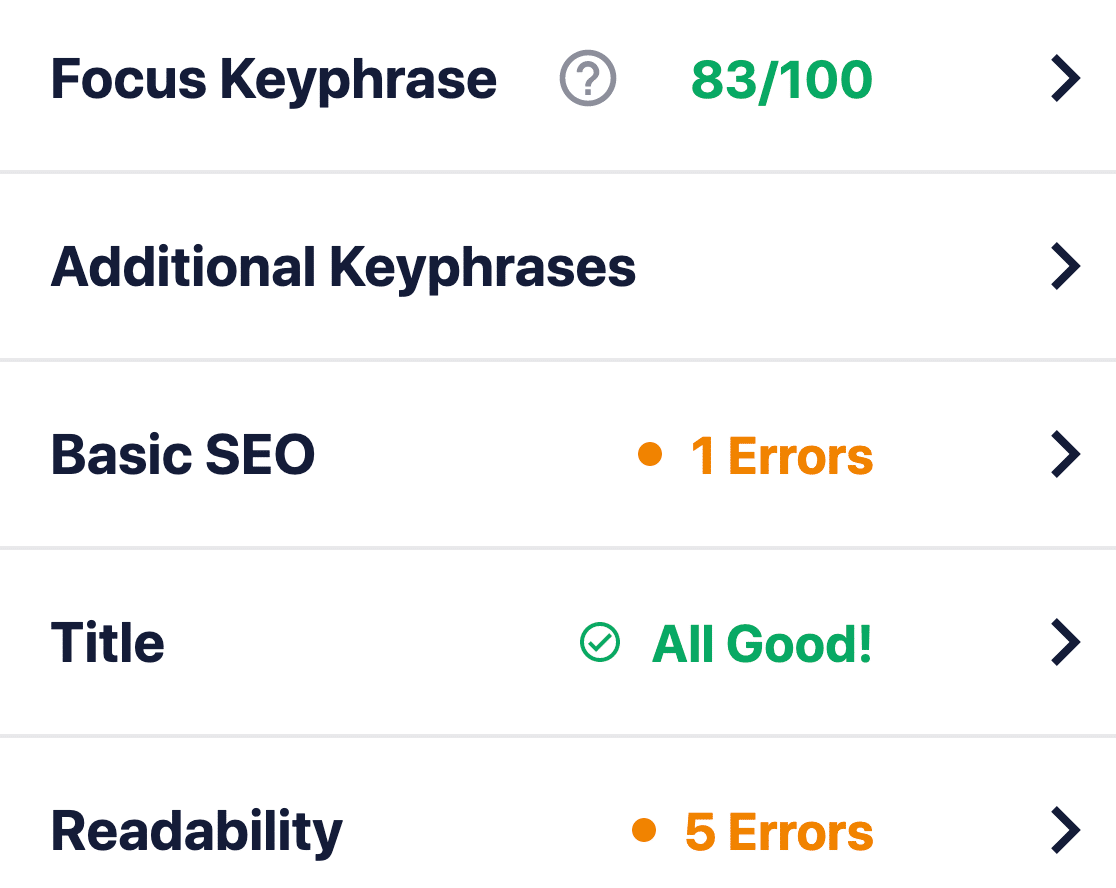
WordPress gives you direct control over the on-page signals search engines read, and the good SEO plugins surface every one of them where you are already working.
For all websites, WordPress SEO is super important. And one of the biggest reasons you should use WordPress is because of how SEO-friendly it is.
It’s easy to connect with powerful SEO plugins like AIOSEO that can assist your on-page optimization efforts. Those signals include:
- Title tags and meta descriptions: Per post and per page
- URL structure: Editable permalinks on everything
- Headings: A real hierarchy you set yourself
- Image alt text: On every upload
- Schema markup: Article, FAQ, product, and more
- Canonical tags: To control duplicates
This makes the blogging potential incredible. You can create your own marketing opportunities through writing blog posts if you know a few basic things about SEO.
Apart from the ease of doing SEO in WordPress, the great thing is that most WordPress plugins are designed to be SEO-friendly.
That means they adhere to best practices in terms of how the code is written for the plugin, ensuring it has minimum impact on your site speed.
3. Flexible Functionality
The WordPress plugin directory holds 68,334 free plugins, so most features you need already exist and most of them cost nothing.
WPForms is a good example of a WordPress plugin that simplifies form creation for your website. Even though WordPress doesn’t have built-in functionality for creating forms and collecting entries, you can easily build your own forms after installing WPForms.

Create Your WordPress Form Now 🛠️
Some other popular types of plugins to consider include:
- Contact Form Builder Plugins
- Discount Wheel Popups
- Giveaway Plugins
- Survey and Poll Plugins
- Stripe Payment Plugins
- Landing Page Plugins
- Instagram Plugins
- Membership Plugins
- eCommerce Plugin
- Lead Generation Plugins
- Podcast Plugins
…and so many more (honestly, so many!). There are plugins out there to do almost anything you want to do with your
4. WooCommerce Integration
WooCommerce turns a WordPress site into a full online store, and the core plugin is free. You get products, a cart, checkout, orders and tax handling with no monthly platform fee.
If you’re building an eCommerce website to sell things online, you can easily convert your website into a store with a simple WooCommerce plugin.
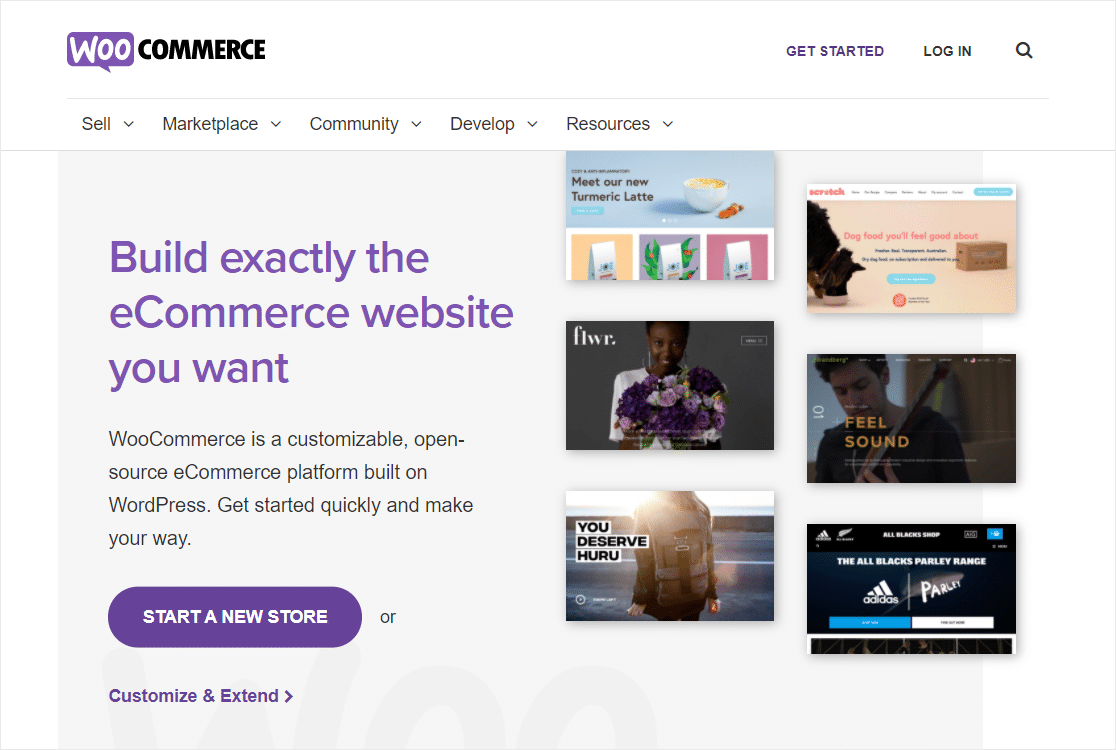
WooCommerce is a popular choice for many online store owners, which explains why WordPress is so popular for eCommerce websites.
The core WooCommerce plugin is also completely free. That means it costs you no extra charges to get started with your online store in WordPress.
However, you may want to purchase WooCommerce addons later on to access a greater range of functionality and manage your store efficiently as it grows.
5. Endless Design Options
The WordPress theme directory holds 8,690 free themes, and a theme changes how your whole site looks without touching your content.
A WordPress theme will help change what your website looks like. Picking and tweaking a theme to your liking is one of the most exciting parts of building a website.
It’s great because you get to really put your brand and personality into the design and make it your own. And of course, many WordPress themes make it easy for even non-technical people to change the look of their websites.
You can even find themes that help you run your business. I’d recommend going through my recommended list of best free WordPress themes.
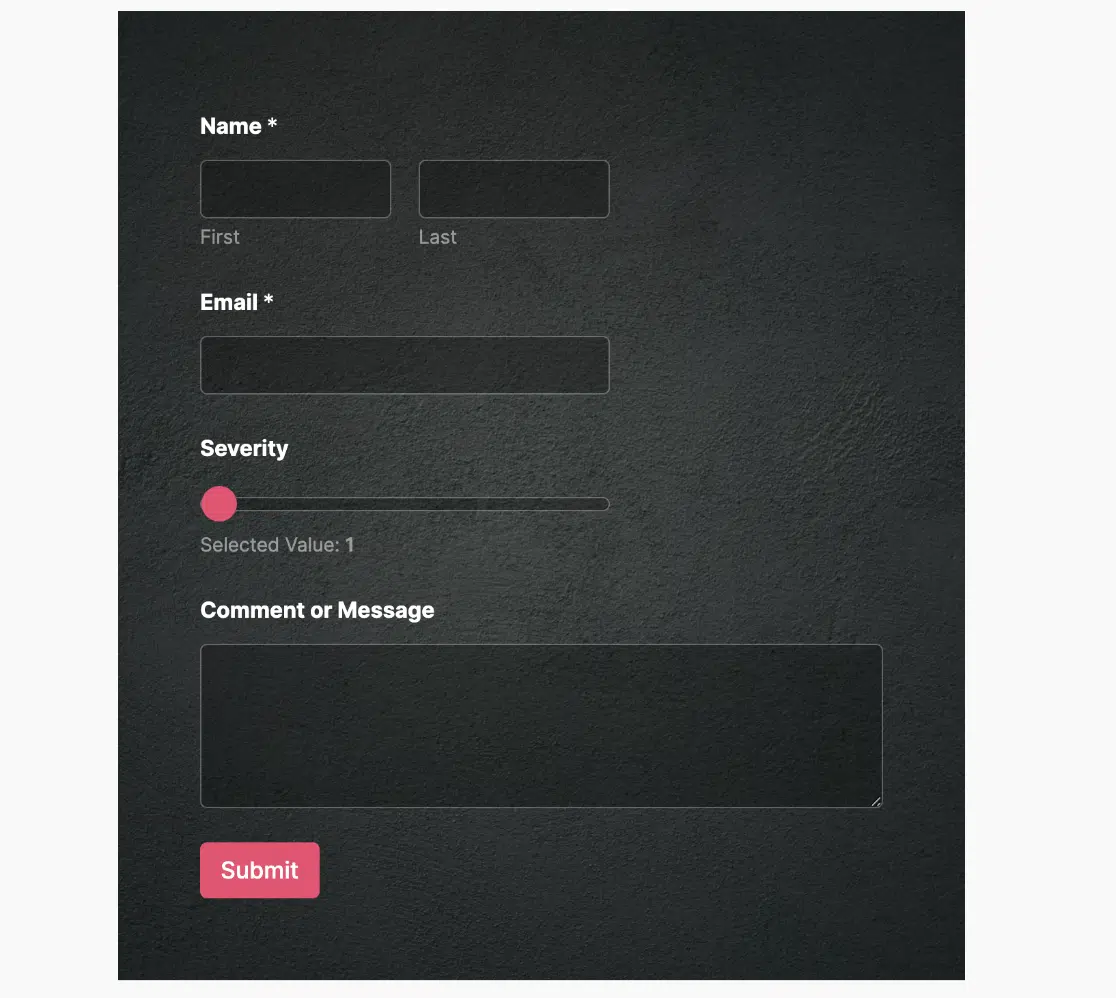
That’s not all. You can even freely design your forms with full flexibility. Plugins like WPForms give you many options, so you can use a ready-made form theme or edit the styles of different form elements yourself.
6. WordPress Is Secure
WordPress ships automatic background security releases to every site that accepts them, which is why most WordPress sites get patched without their owners lifting a finger.
Both 6.9.7 and 7.0.4 went out that way this year. But just like many things in life, the internet can be an uncertain place.
Popularity does make WordPress a target, and the overwhelming majority of successful attacks trace back to an abandoned plugin or an install nobody has updated since 2019.
Keeping core, plugins and themes current closes most of that door on its own. WPBeginner’s guide to securing your WordPress website walks through the rest in order of how much each step actually buys you.
For anything beyond the basics, WordPress works with most of the security plugins and tools on the market. Firewalls, malware scanning, login limits and two-factor authentication are all a plugin away.
7. The WordPress Community
The WordPress community is the largest of any content management system, which in practice means somebody has already had your problem and written down the answer.
Because so many people use WordPress, the community surrounding it has built a ton of helpful resources. This is also why so many amazing plugins are free to use and regularly updated!
Besides, everything about WordPress is extensively documented. That means you can easily access helpful resources online, whether it’s a bug you need to fix or an enhancement you want to make.
If you encounter any problems, you can easily discover a forum or thread on Google where someone went through the same experience and has an answer for you.
In fact, the most authoritative resource on all things WordPress, WPBeginner, likely has a detailed guide on whatever WordPress-related help you need, so don’t forget to check it out!
8. No Coding Needed
WordPress’s block editor lets you build and lay out pages visually, dragging blocks into place instead of writing markup.
WordPress is designed for beginners, so you don’t need to have any coding knowledge to build and manage your website.
You can adjust your website without being a web developer or designer, especially if you’re using a plugin like SeedProd.
WordPress offers access to drag and drop website builders that can do nearly everything for you.
Even if you want to make a change that requires some coding, you can easily discover code snippets that you can copy and paste into your site.
My favorite way to add code snippets to WordPress is using this handy plugin, WPCode. This plugin includes a library of commonly used code snippets that you can insert into your website in just a few clicks.
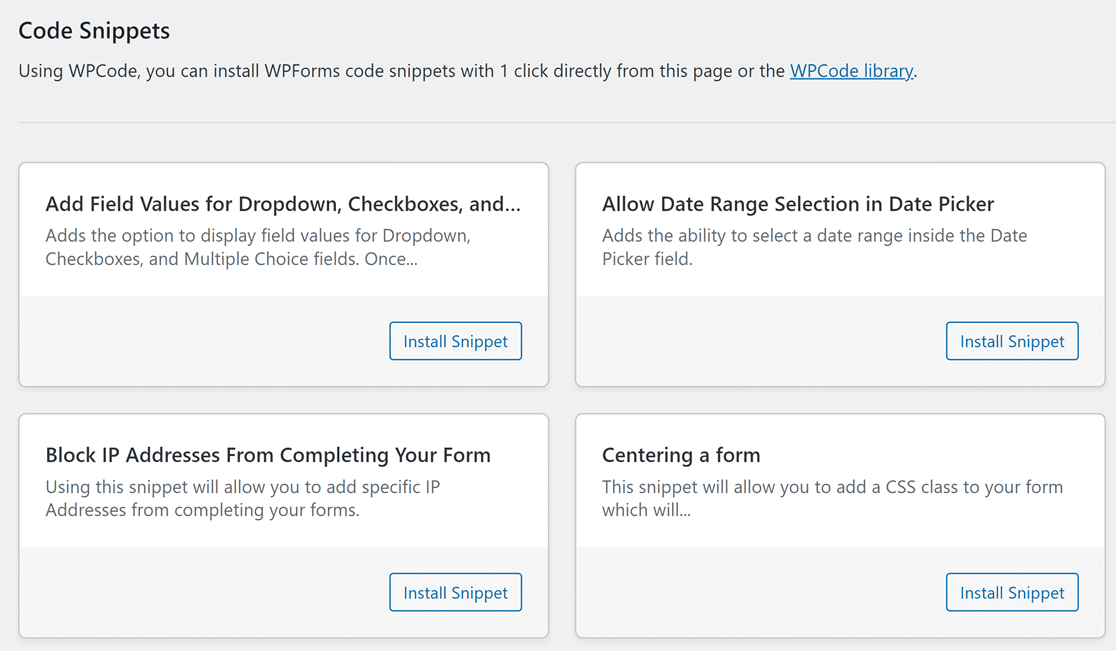
And the best part? It’s a lot safer adding snippets this way compared to editing your WordPress PHP manually.
9. Integrating Google Analytics
Running a website without analytics is like driving a car blind. It goes without saying that you need to have Google Analytics up and running as soon as you launch your website.
While you can integrate GA4 with WordPress in several ways, most of these options can be difficult for beginners.
But like most things with WordPress, there’s an easy way! It involves using the MonsterInsights plugin, which simplifies the entire process.
And to top it off, it brings all the useful GA4 reports right inside your WordPress dashboard so you can monitor and measure your traffic effortlessly.

With these reports, you can track:
- Traffic by views and sessions
- Form submissions
- eCommerce metrics
- Top-performing posts
….and a lot more.
This ability to bring data about website visits to business owners is why MonsterInsights is one of the best WordPress plugins available for WordPress.
10. It’s Scalable
WordPress runs everything from a one-page portfolio to enterprise traffic on the same core software. What you change as you grow is the hosting underneath, not the platform on top.
Depending on if you end up using managed WordPress hosting, you can grow your site to unlimited heights with WordPress.

WordPress is an awesome platform for enterprise businesses of literally any size. It can handle tons of visits at the same time.
11. Universal Dashboard
The WordPress dashboard gives every site the same admin structure, so what you learn managing one site carries straight over to the next.
Posts, Pages, Media, Appearance, Plugins and Settings sit in the same place on all of them. Plugins add their own menu items into that structure rather than replacing it.
And it’s great because it’s flexible.
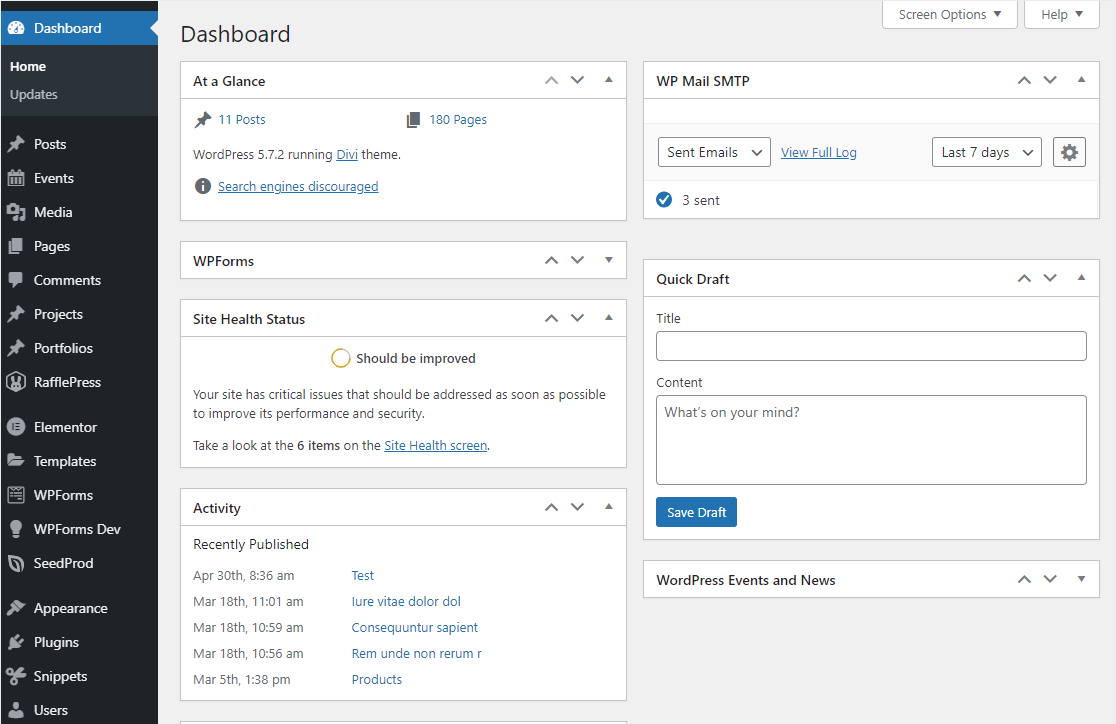
You can customize your dashboard to prioritize the details you want to see when you sign in to the backend of your website. For example, you can see daily stats, new posts, recent comments, and more.
This dashboard lets you keep track of what’s happening with your WordPress website.
12. AI Assistants Can Build Your Site With You
WordPress’s Abilities API lets AI assistants like Claude and ChatGPT build and edit parts of your site directly, with your permission.
WordPress 6.9 introduced the API in December 2025, and WordPress 7.0 shipped it into core in May 2026. That release also added a native AI Client and a Connectors hub for authenticating AI providers.
You install WPVibe, a free WordPress MCP server built by SeedProd, from the AI MCP tab in your dashboard.

You add its endpoint to Claude, ChatGPT, Cursor or any other MCP-compatible assistant, and our walkthrough on how to build WordPress forms with Claude covers the exact steps. Then you describe what you want in plain language, and the assistant builds it on your site.

WPForms added write support for the Abilities API in version 1.10.2, which is what opened all of this up. An assistant can build a form from scratch, add fields to a form you already have, and edit field properties.
The form title, description and submit button are editable too. WPForms builds any form with a drag-and-drop builder and no code. That same idea now reaches whatever assistant you already talk to.
The boundaries are deliberate, and they are the part worth reading closely. An AI assistant working through WPForms cannot:
- Delete a form
- Change your email notifications
- Change your form confirmations
- Touch your conditional logic
- Touch your payment settings
Write access also ships switched off, and you turn it on yourself at WPForms » Tools » AI MCP. The assistant asks permission before each change. It never sees your WordPress credentials.

WPForms Lite covers this for free with eight field types. Phone, date and time, and file upload fields need a paid plan. The free eight are:
- Single Line Text
- Paragraph Text
- Number
- Dropdown
- Multiple Choice
- Checkboxes
- Name
If you would rather stay inside WordPress, you can also create forms with AI in the builder itself.
13. WordPress Keeps Shipping
WordPress released three major versions in nine months, ending with 7.1 on 19 August 2026. For a platform people keep describing as stagnant, that is a fairly brisk pace.
- WordPress 6.9 “Gene”, 2 December 2025: introduced the Abilities API, block-level commenting through Notes, and an expanded command palette
- WordPress 7.0, 20 May 2026: shipped the AI Client, the Abilities API, and a Connectors hub into core, plus a redesigned admin and an official MCP Adapter plugin
- WordPress 7.1 “Mary Lou”, 19 August 2026: added hover, focus, and active state styling with no CSS, threaded Notes with @mentions, a new image editor with HEIC support, and two new core blocks
Styling a hover state used to mean writing CSS by hand or installing a plugin for it, and in 7.1 it is a control in the editor. Interactive states are the change I expect most people to feel first.
Need More Ideas for How to Use WordPress?
You can use a WordPress website in tons of different ways. Here are some ideas.
- Start an Online Store to Sell Digital or Physical Goods
- Start a Blog
- Create a Membership Website
- Sell Courses Online
FAQs on Why You Should Use WordPress
Questions about the benefits of WordPress, the advantages it has over hosted website builders, and whether it still makes sense in 2026 come up constantly. Here are the ones I get asked most.
Is WordPress outdated in 2026?
No. WordPress shipped three major releases in the nine months to August 2026, including an AI Client and the Abilities API in core. It still runs 40.3% of all websites.
Its share of the web has declined for several months running, which is worth knowing. A platform shipping AI infrastructure into core is not a platform standing still.
What are the main benefits of WordPress?
The main benefits of WordPress are that it is free and that you own everything you build.
On top of that, 68,334 free plugins and 8,690 free themes mean almost any feature or design you need already exists.
You also get direct control over your SEO, plus hosting you can change without rebuilding the site.
What are the advantages of using WordPress over Wix or Squarespace?
Ownership and portability are the real advantages of using WordPress over Wix or Squarespace. Your content lives in a database you control and exports to a file you can take anywhere WordPress runs.
Leaving a closed builder generally means rebuilding the site from scratch. WordPress also lets your AI assistant operate the site through the Abilities API, and hosted platforms have no equivalent for that.
Should I use WordPress for my website?
Use WordPress if you want to own your website, expect it to change over the next few years, or need a feature a hosted builder does not offer.
A hosted builder is a reasonable choice for a small brochure site you never plan to move. For anything you intend to grow, the flexibility is worth the extra hour of setup.
Can AI build a WordPress site for me?
Partly, and the honest answer is that AI assistants are better at building pieces than whole sites.
Through the Abilities API and a connector like WPVibe, assistants such as Claude and ChatGPT can build forms, edit fields and change settings on your live site.
Our guide to connecting WPForms to an AI assistant covers the setup, and write access stays off until you enable it.
Is WordPress free?
Yes, WordPress is free to download, use and modify, and it always has been.
What costs money is web hosting, usually a few dollars a month to start, plus a domain name at roughly $10 to $15 a year. Premium themes and plugins are optional.
Next, Explore the AI Tools Worth Adding to WordPress
Our roundup of the AI plugins worth installing covers what each one actually does rather than what its marketing claims.
That is the faster way to work out whether any of them belong on your site. WordPress’s AI story goes well beyond form building, and a fair amount of it is free.
When you are ready to launch, our guide to the best WordPress hosting compares the hosts worth considering and what you get at each price.
Build Your First Form With AI Now
Ready to build your form? Get started today with the easiest WordPress form builder plugin. WPForms Pro includes lots of free templates and offers a 14-day money-back guarantee.
If this article helped you out, please follow us on Facebook and X (Twitter) for more free WordPress tutorials and guides.



This is a really informative article with lots of great ideas. Could you please tell me what software you use to run your incredibly fast website? I also want to create a simple website for my business, but I need help with the domain and hosting. Asphostportal reportedly has a good reputation. Are there any other choices available, and if so, what would you suggest?
Hey Anna – Along with WordPress we have optimized the load time using caching plugin, and developing our own custom solutions to speed up the performance. Having said that, I’d suggest you to take a look at this blog post on tips to speed up the website. Further, you can take a look at this blog post to create a WordPress website, and this post on steps that can be followed to select a good hosting.