


AI Summary
Most small business owners I talk to aren’t short on marketing ideas, they’re short on time. And most them aren’t sure which idea is worth the two hours they have on a Thursday afternoon.
So every idea on this list comes with the first thing to do, roughly what it costs, and how long before you’d expect to see anything. None of them needs a marketing agency, a big budget, or a full-time social media person.
20+ Effective Small Business Marketing Ideas
Here’s a quick overview of what we’re looking at, feel free to read in order or jump around to whatever piques your interest!
- 1. Build an Email List
- 2. Publish Testimonials
- 3. Post Valuable Blog Content
- 4. Run a Contest
- 5. Network With Others
- 6. Automate, Automate, Automate
- 7. Use Lead Magnets
- 8. Join a Private Facebook Group
- 9. Get on a Podcast
- 10. Use the Right Theme
- 11. Make a Useful Infographic
- 12. Try a Customer Satisfaction Survey
- 13. Create a Broadcast Channel
- 14. List Products/Services on Google Business Profile
- 15. Reward Loyal Customers
- 16. Start a Customer Referral Program
- 17. Get Listed in Directories and Review Sites
- 18. Pick One Social Platform and Post Consistently
- 19. Partner With Micro-Influencers
- 20. Make Short Videos With Your Phone
- 21. Show Up at Local Events and Sponsor Something Small
- 22. Put Your Logo on Physical Things
- FAQs on Small Business Marketing Ideas
- Next, Turn Your Traffic Into Actual Enquiries
1. Build an Email List
You probably know by now that every business website should have an email list and run regular email marketing campaigns to promote their services and products. That’s why it’s my number 1 small business marketing suggestion.
The great news is that having a large email list doesn’t have to be complicated or time-consuming.
This is especially true if you use one of the best email marketing services on the market such as Constant Contact or Brevo (formerly Sendinblue).
WPForms makes creating subscribe forms really simple using Mailchimp, AWeber, Drip, Campaign Monitor, Constant Contact, MailerLite, GetResponse, and more.
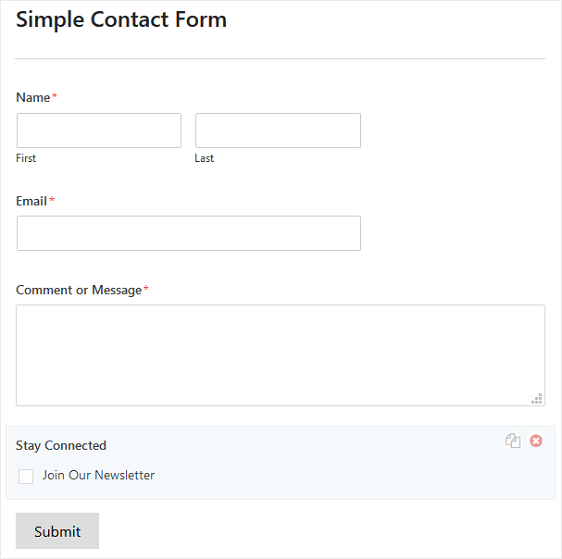
Not to mention, you can easily add a subscribe checkbox to any of your WordPress forms to build your email list and continue marketing your products and services to those who show interest in what you have to offer.
2. Publish Testimonials
85% of people trust online reviews written by other consumers as much as they trust recommendations from personal contacts.
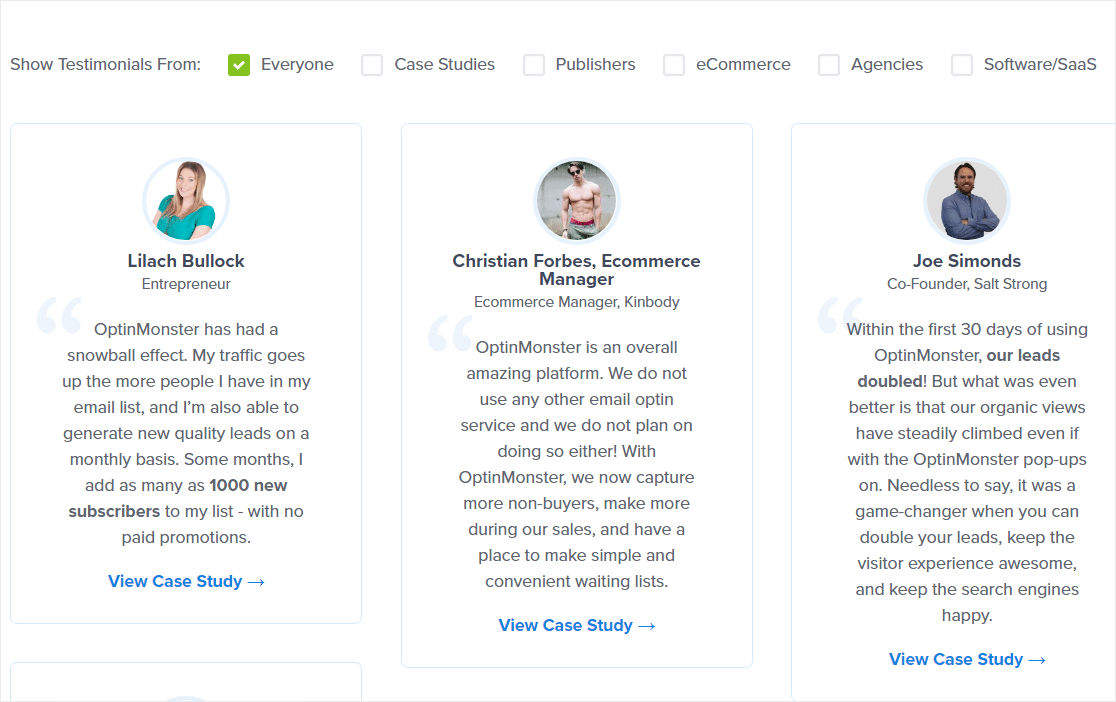
So by adding testimonials to your website, you not only add an extra element of social proof to your site endorsing what you have for sale, you help potential buyers make better decisions since they’re likely to trust what your satisfied customers have to say.
OptinMonster does a great job of displaying testimonials on their website. In fact, they have a dedicated testimonials page:
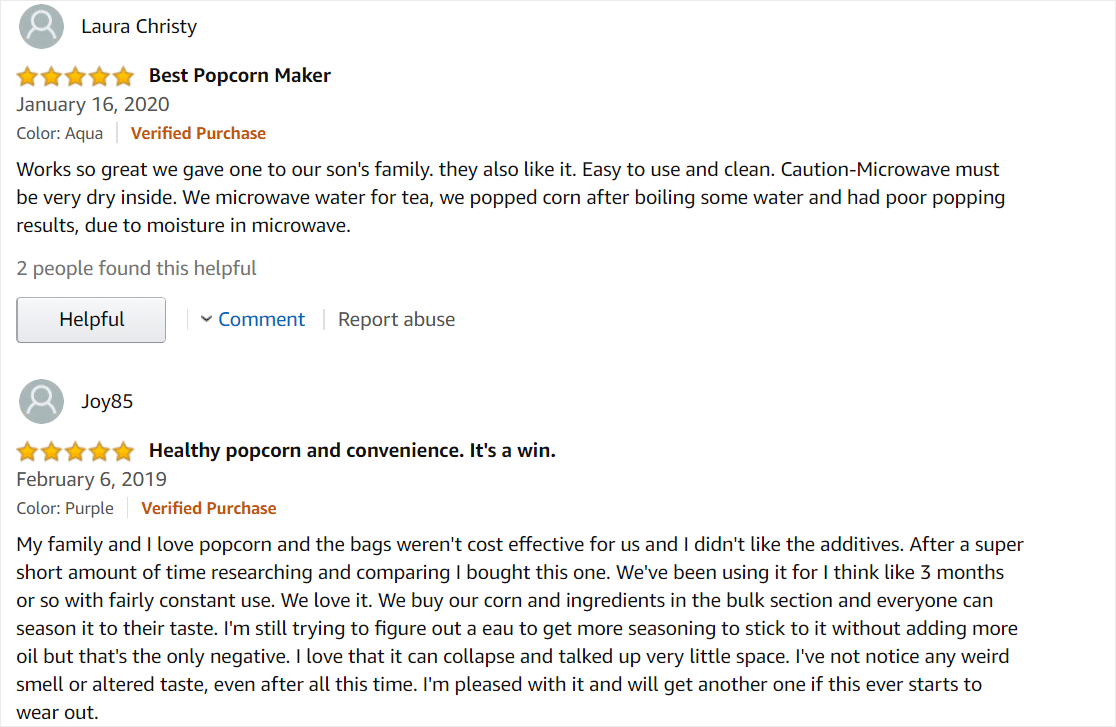
Another great way to foster trust and encourage people to become customers is to display reviews on your website, like many popular eCommerce sites do. There are plenty of great product review plugins that will make this easy for you.
If you want to add social proof to your website, check out these easy ways:
- Show real live user activity on your website
- Allow users to leave reviews on your website
- Collect user reviews on an existing form to see how people really feel about your business
Use the positive opinions you collect to boost conversions and sales by tapping into the power of social proof.
3. Post Valuable Blog Content
It may seem obvious, but one of the best ways to market your brand is to consistently publish valuable, informative, and entertaining content on your website.
In fact, if your content is good, your blog can become the very foundation of all your marketing efforts. And the best part? Starting a WordPress blog is relatively cheap and easy to do, which makes it a great small business marketing tactic.
Are you part of the 51% of marketers who say they simply don’t have enough time to regularly publish blog content?
That’s okay! Using the WPForms Post Submissions addon, you can let other people do the work for you by letting visitors publish blog posts right onto your website for others to read.

For help with this, check out our tutorial on how to let users submit blog posts on your WordPress website. I recommend that even if you decide to use user-generated content for your blog, you still have some editorial guidelines and a review process to make sure you’re getting quality content.
If you’re planning to tackle the blog content in-house, a tool like SEOBoost is helpful to have. SEOBoost is AI-powered and helps you to optimize your blog post with actionable recommendations. Content that is well-optimized has a better chance of getting in front of your target audience and ranking higher in search engines.
When you publish a new post, don’t forget to promote it. You’ll want to repeatedly market that content for maximum views.
It’s super easy to use PushEngage to engage your audience across multiple channels. Send browser notifications when new posts go live, trigger chat widgets to capture engaged readers in real-time, or follow up through WhatsApp with content updates and exclusive offers.
4. Run a Contest
Running a contest is one of the best ways to build consumer awareness and get your company’s name out there.
Plus, they’re lots of fun.
You can give away some of your products and services in exchange for getting people to:
- Submit videos or photos for a chance to win
- Pen an essay about a topic of your choosing
- Leave a review in exchange for entry
- Refer others for more contest entries
- Provide an email address in exchange for an entry
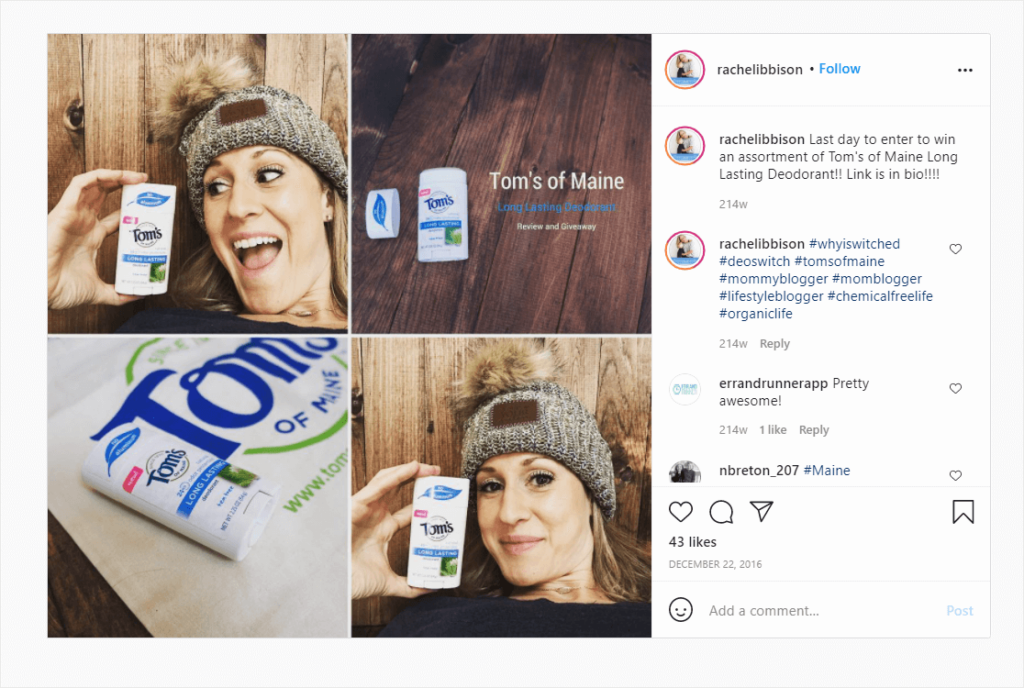
- Run an Instagram hashtag or photo caption contest
The options are endless and can be as simple or complex as you want them to be.
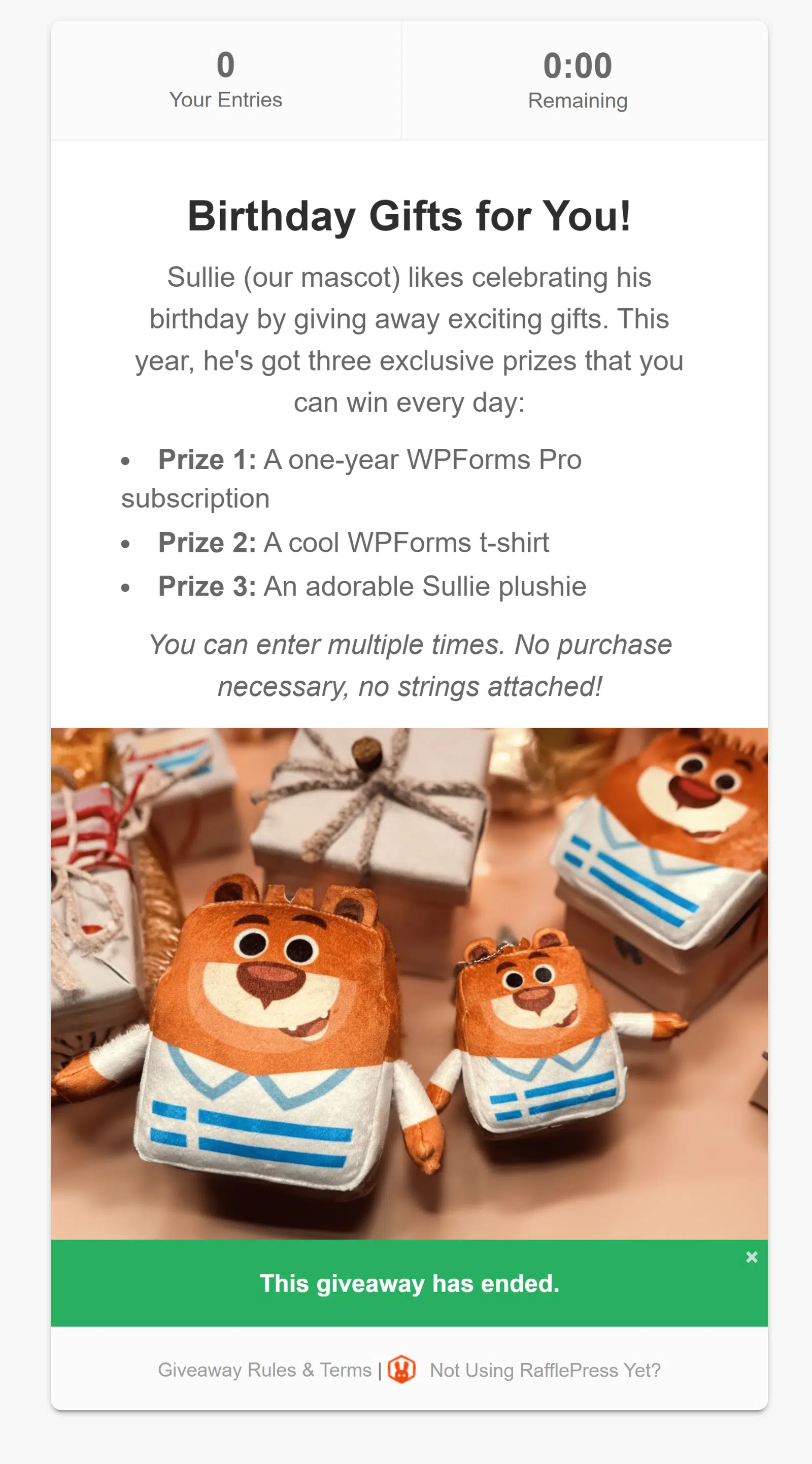
All you have to do is take the time to manage the contest and put up a prize. From there, you’ll let others market your business for you. Here’s an example using the giveaway plugin RafflePress, which we highly recommend.
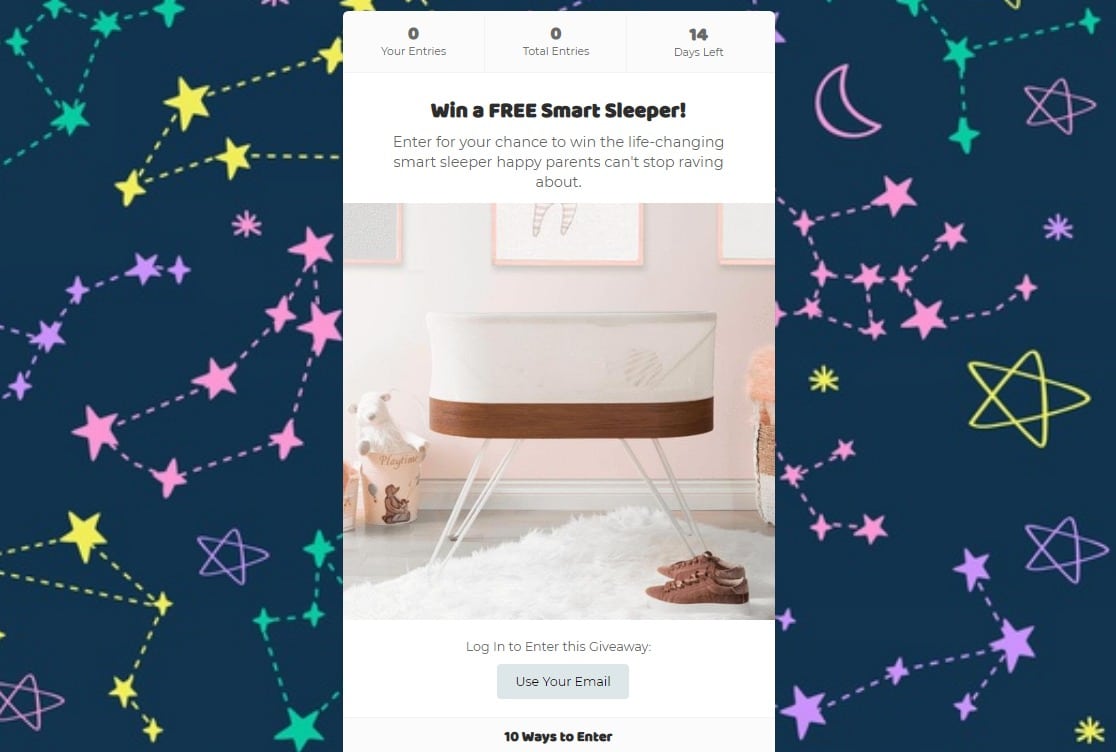
If you’re looking for an easy way to set up a contest on your website within WPForms, check out our Form Templates Gallery, which just so happens to have a Contest Entry Form template.
Just customize the form to look the way you want so people can start entering your contest right away. All of the entries can be sent to your business email address or stored in the WordPress database.
5. Network With Others
Working with a big brand or influencer can cost you big bucks. And while their reach and engagement may be stellar, it might not even be an option for you if you’re a small business on a tight budget.
But don’t worry, there are less expensive ways to market your brand within your industry. All you have to do is a little friendly networking.

For example, ask to guest post on an influential website that you know has a lot of traffic and a similar audience.
It doesn’t cost you anything but time, you’ll be allowed to link back to your website which will drive traffic to your site, and you might even be able to squeeze in a product of yours right into the blog post itself. And, in an effort to keep the relationship going, you can always extend the same favor to other small businesses.
If you need help with advertising guest posting opportunities on your website, check out this helpful article on how to get more guest posts submissions on your website.
6. Automate, Automate, Automate
Automation can make your small business marketing efforts much simpler. In fact, 43% of small business owners planned to invest in their website’s performance in 2024. One way to keep up with the competition is to automate key processes on your site.
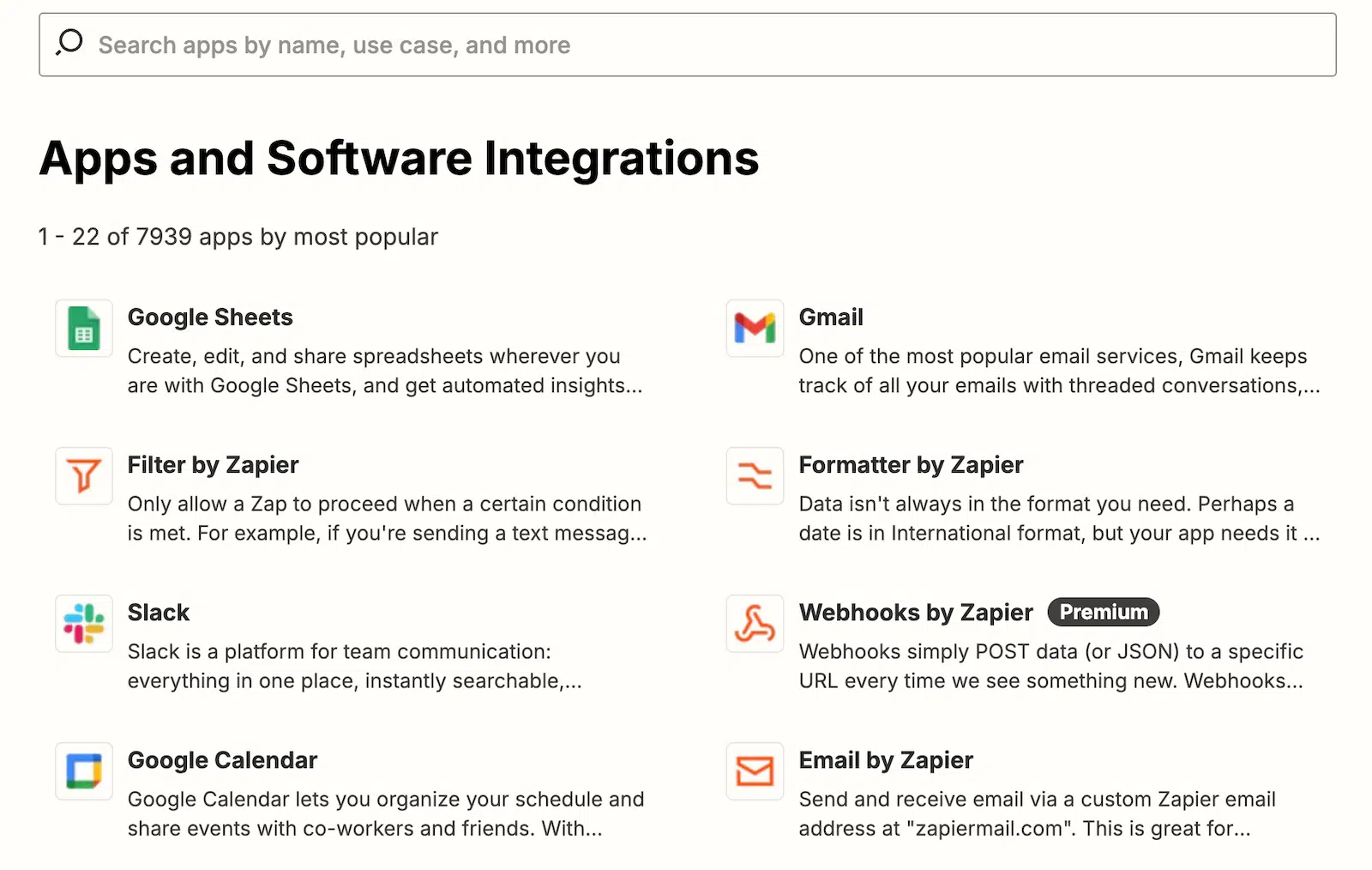
Plus, your time is valuable, and automation can take tasks off your plate so you can focus on other things. These days, you can do so much more than just set up a drip campaign with your email marketing provider to automate your email marketing strategy.
With the WPForms Zapier addon, you can connect 7,000+ web apps to your forms, so you can automatically do things like:
- Upload attached files from forms to Google Drive
- Capture leads from your contact forms to Salesforce
- Sign users up for your webinars
- And way more…
Alternatively, you can use Uncanny Automator to connect WPForms to tons of other WordPress plugins for free.
Plus, WPForms integrates directly with Google Sheets so you can save contact form data to a spreadsheet without the need for a connector service.
7. Use Lead Magnets
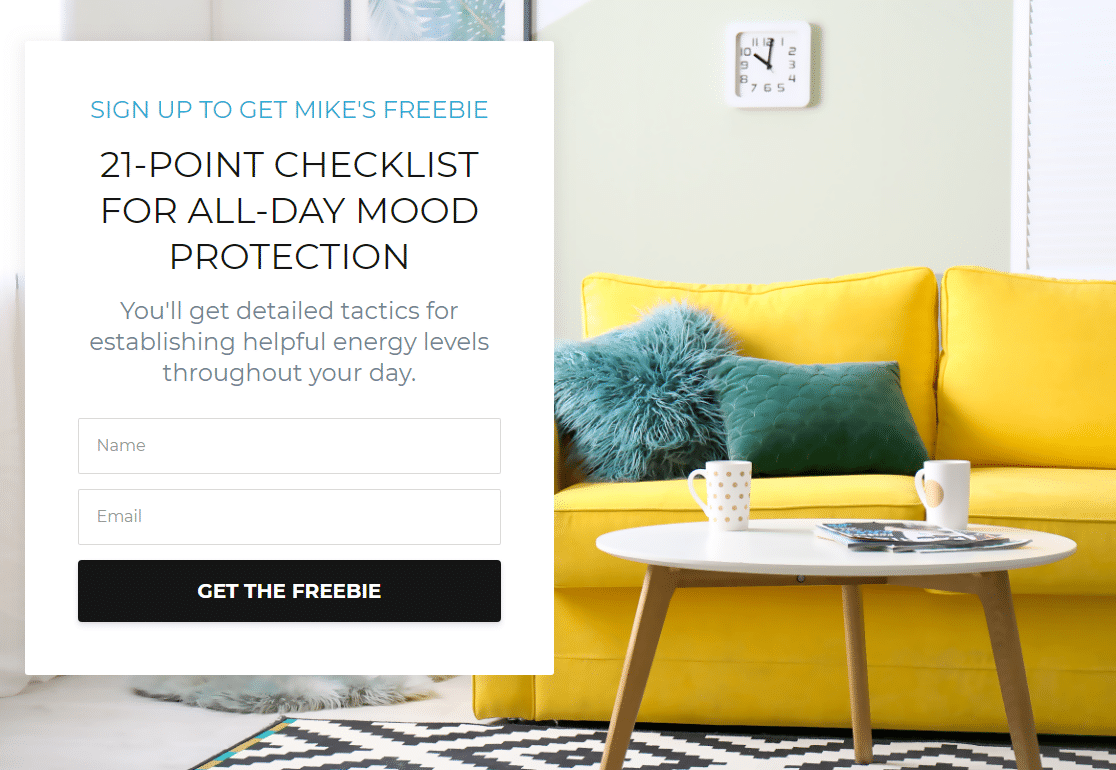
A lead magnet is something free you offer to your website visitors in exchange for their email address, and you should definitely be using them as part of your small business marketing toolbox.
Plus, lead magnets are not only easy to make, they can be fun to create as well. You can easily repurpose your most successful blog posts into a lead magnet that convinces people to sign up for your email list.
Some examples of lead magnets can include:
- Helpful ebooks
- Coupons
- Promo codes
- PDFs
- Checklists
- Templates
- Case studies
Just make sure your lead magnet is highly valuable to the user and worth them giving up their email address. Here are even more examples of awesome lead magnets to increase subscribers.
8. Join a Private Facebook Group

Private Facebook groups are a fantastic way to find and connect with a community of other small business marketing leaders and experts.
And, depending on the type of group you join, you could get extra help for free or even win prizes. For example, the WPForms VIP Circle Group is an exclusive Facebook group only for WPForms users. Not only can you get help from support and other members for basic issues, you can even enter giveaways to win cool stuff.
9. Get on a Podcast

Savvy business owners who used to work hard to get guest post spots on popular blogs are now using their time to try and get something else too — interviewed on podcasts.
Talking about your website and yourself on a podcast is a fantastic way to reach out to a larger audience.
Or, consider starting your own podcast. Check out our post with the best WordPress podcasting plugins to get started.
10. Use the Right Theme
With all the moving parts that go into running your small business, it’s easy to overlook some things. One great small marketing idea to consider is finding a website theme that’s based on your business niche.
And there are a lot of cool things about having a theme that matches the industry your business is in. One is that it can make it way easier to set up your site and get targeted leads from the people you want to hear from.
For inspiration, check out this list of some of our favorite themes.
11. Make a Useful Infographic
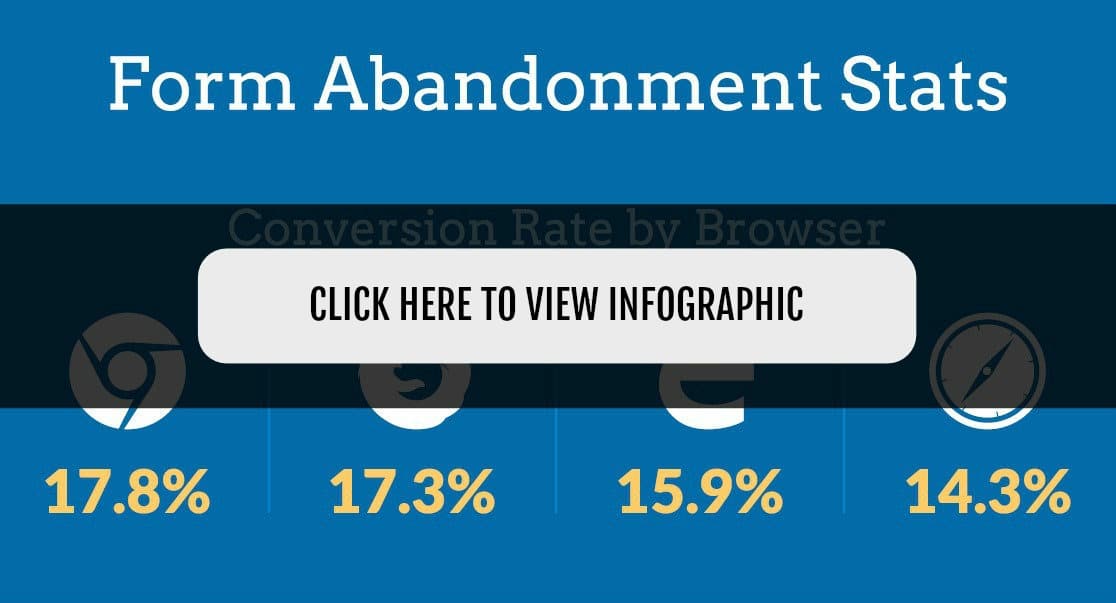
Another fantastic small business marketing idea that you can whip together in no time is an infographic.
You can take information from a great blog post you’ve already created and craft something into a visual format. This helps engage your website visitors and gives them useful information in an easy-to-digest manner.
12. Try a Customer Satisfaction Survey
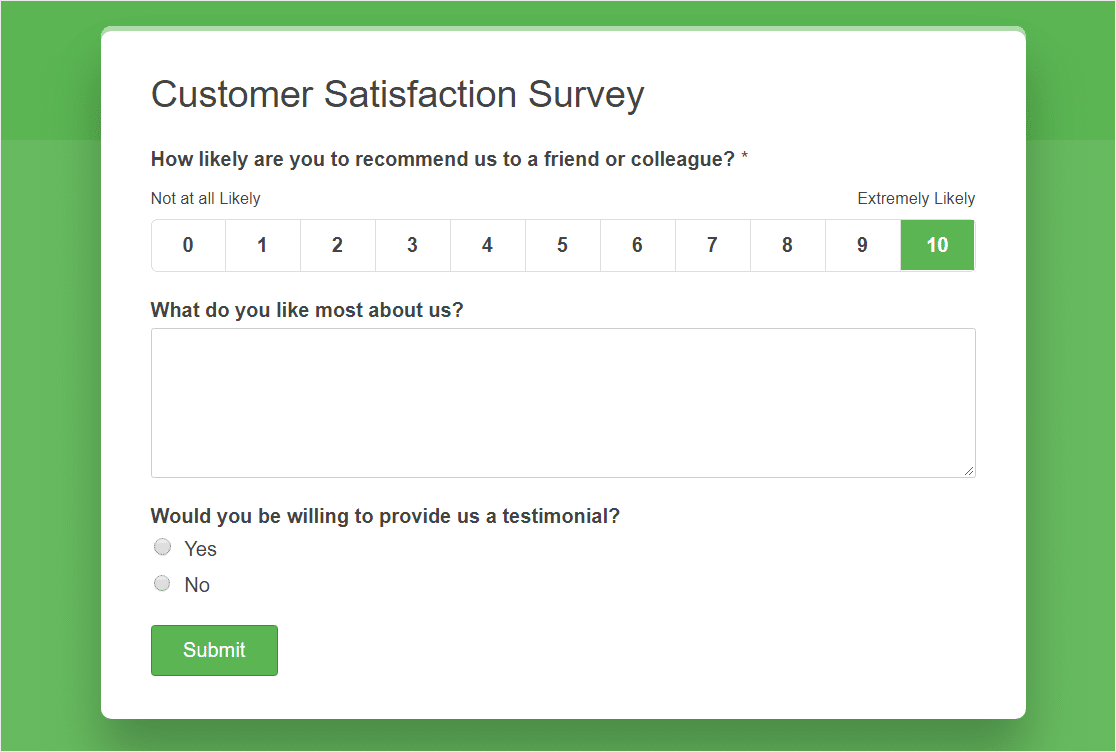
Using your email marketing service to send out a customer satisfaction survey is a great way to learn about your customers and promote your business. It’s also a fantastic way to remind people you exist and invite them back to your website.
You can do this quickly and easily by turning on the Survey and Polls addon in WPForms. It’s easy to build beautiful polls and surveys, and you can even try using conversational marketing by enabling the popular Conversational Forms addon and creating a conversational contact form.
13. Create a Broadcast Channel

If you’re looking for new ways to market your products/services on social media, you’ll be pleased to hear that Instagram offers the ability to create a private broadcast channel, which only those most interested in your business can join.
You can regularly post content that appeals to your channel audience through this broadcast channel. At the same time, you can share other posts, reels, and stories that will resonate with your audience.
14. List Products/Services on Google Business Profile

If you haven’t already done this, you’re missing out! Utilizing Google Business Profile (formerly Google My Business) is a great way to get people to know about your small business and the products and services you’re offering.
Create a detailed Google Business Profile that points to all important landing pages of your products/services, and also share your profile with customers to gather many testimonials and reviews.
15. Reward Loyal Customers
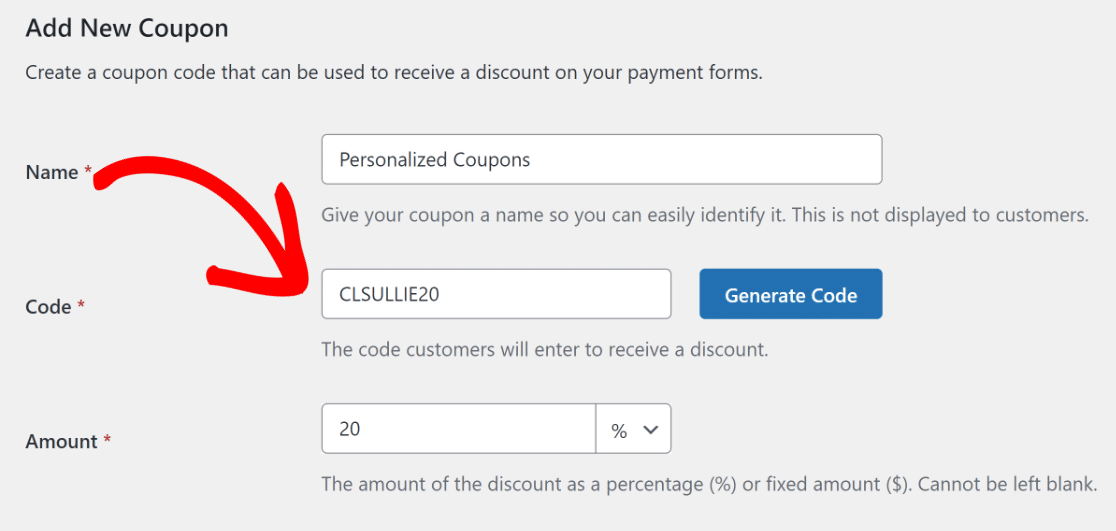
More often than not, customers of a small business tend to be recurring, which means you have the opportunity to benefit from word-of-mouth when it comes your brand. Leverage this to reward your customers for their loyalty.
One stellar approach? Create a coupon code inspired by your customer’s name, adding that customized touch to their shopping experience. In essence, personalized coupons infuse trust, promote brand loyalty, and foster a sense of exclusivity.
16. Start a Customer Referral Program
Your customers already recommend you occasionally, and a referral program makes it easy while giving them a reason to do it on purpose rather than when it happens to come up.
This way, both sides get something, the reward arrives quickly, and there’s no code to remember. “Send us someone and you both get 20% off your next order” works. Anything requiring a points balance and a dashboard will not.
A refer-a-friend form is enough to run this, since the referrer fills in their friend’s details, you get both names in one submission, and you know exactly who to credit when the referral converts.
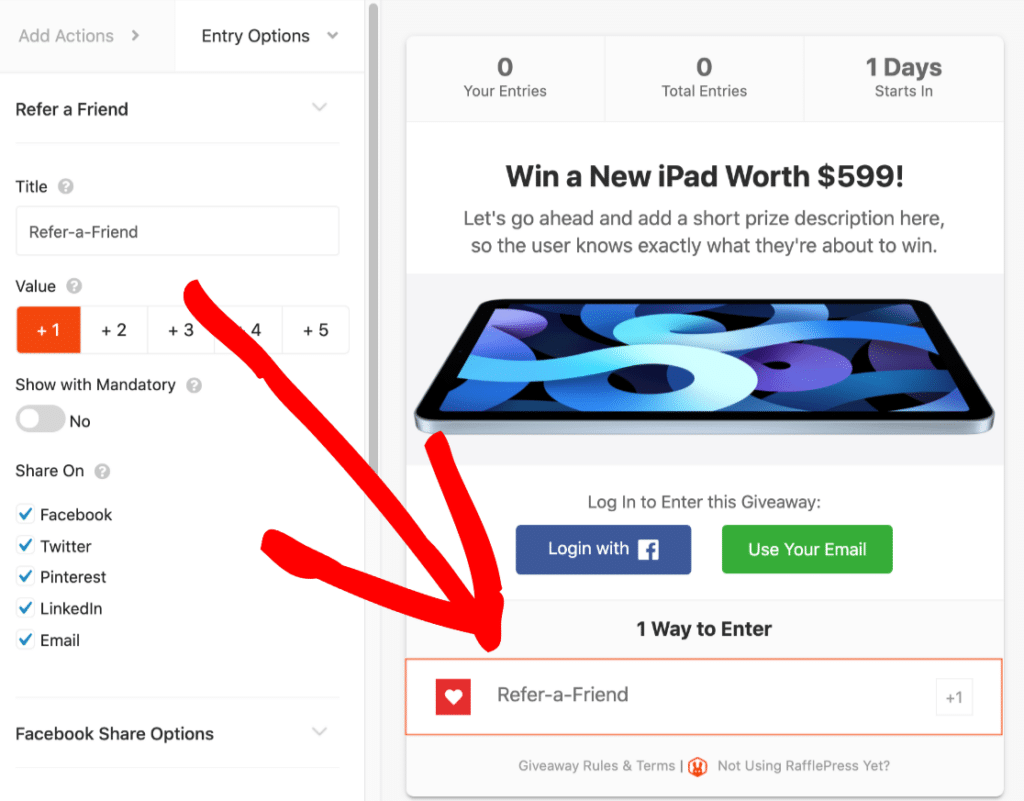
Ask at the right moment, which is right after someone has had a good experience. A referral request in the delivery confirmation email or on the thank-you page performs far better than one sitting in a footer nobody reads.
17. Get Listed in Directories and Review Sites
Someone searching for a service in your town will often land on a directory page before they land on any individual business site.
Start with the ones that carry weight in your industry and of course don’t forget about Yelp and Bing Places, which are worth doing everywhere.
Then look for the trade directory or professional association that your customers actually check. If you serve a specific town, the local chamber of commerce listing usually ranks better than you’d expect.
Consistency matters more than volume here, so use the exact same business name, address, and phone number on every listing.
Mismatched details across directories make it harder for search engines to treat them as the same business, so keep a note of what you submitted and match it next time.
18. Pick One Social Platform and Post Consistently
Trying to be active on five platforms with no help is how small businesses end up posting nowhere, so one platform you actually keep up with beats five you abandon in March.
Choose it based on where your customers are rather than where you’re customers, and if you want some specific recommendations, you can even ask a few of them.
After that, focus on setting a schedule that you can hold on your worst week, so that you can keep things manageable, and won’t easily get turned off by posting consistently.
You can connect your social profiles to your site so your feed shows up where your visitors already are. And since followers on a platform you don’t own are borrowed, work on turning followers into subscribers as you go.

19. Partner With Micro-Influencers
Influencer marketing does sound expensive to many because the quotes you get are usually from people who have millions of followers.
You don’t necessarily have to rely on these big influences, and someone with 3,000 engaged followers in your niche will often work for a free product. Not to mention, their audience actually listens.
Small accounts also outperform large ones on engagement rate, and their followers tend to be genuinely interested in one specific thing rather than casually following a celebrity.
Look for accounts where the comments are real conversations rather than emoji strings and don’t forget to confirm if the audience is in your area if you’re a local business.
20. Make Short Videos With Your Phone
Oftentimes, when people are told to create videos they get overwhelmed due to the fact that they believe it will require a ton of expensive equipment they can’t afford.
However, the reality is that your phone is actually good enough to make short videos because what really helps small businesses is a real person explaining something clearly.
Production quality has very little to do with anything, so don’t worry about getting started. Just show how the thing works, answer the questions your customers usually ask you, or film the process behind something.
All you have to do is make sure to keep them under a minute since short videos are less intimidating to make and easier to reuse across several platforms.
Customer videos are worth asking for too, and a video testimonial form lets people record and upload one without any back and forth.

21. Show Up at Local Events and Sponsor Something Small
Everything else on this list is digital, and that’s exactly why this one is worth your time. Most of your local competitors have also gone entirely online, which leaves the room half empty.
A junior sports team, a school fundraiser, or a community event will often take a couple of hundred pounds or dollars and put your name in front of a few hundred local families.
Networking events do a different job, since you’re there to meet the accountant, the builder, and the photographer who’ll refer work to you rather than to find customers directly.

22. Put Your Logo on Physical Things
A logo on something that moves around your town keeps working long after you’ve paid for it, which is unusual in marketing.
The cheap version covers most of the value, meaning business cards you actually carry, a sticker on your laptop and your van, branded packaging on everything you ship, and a shirt you wear to the events from the previous idea.
I personally believe that vehicle graphics are the best value if you drive for work, as it only costs a few hundred and fets seen thousands of times a month by people in your area.
FAQs on Small Business Marketing Ideas
Small business marketing ideas come with a lot of questions about budget, priorities, and what’s actually worth the effort. Here are the ones I get asked most often.
Which marketing is best for a small business?
For a local business, a fully completed Google Business Profile plus a steady stream of reviews beats everything else, and it’s free.
For an online business, email is the strongest channel because you own the list. If you only ever do two things, do one of those and blog content that answers the questions your customers already ask you.
How can small businesses use online marketing without having a big budget?
There are a few things that businesses can do if they’re bootstrapped. Social media platforms are generally free to use. Creating valuable content that will be a magnet for readers is another tactic. You can get free or low-cost email marketing until your list is a little bigger. Good SEO helps, too.
How can small businesses best use social media?
To best use social media, identify and target your audience. Post useful, relevant content on a consistent basis, and be sure to engage with your online community in the comments. Use low-cost ads to grow your reach. Get a good writer who will give your content character.
What are low-cost ways to boost SEO?
To boost your SEO when you’re on a budget, create super high-quality, original content for your website. Be sure to have a targeted keyword in mind and use an appropriate amount of backlinks.
What are some kinds of content that small businesses can create?
Small businesses can create blog posts, videos, social media posts, white papers, guides, eBooks, webinars, podcasts, newsletters, gated subscription content, images, infographics, guides, and more. The best part is that you can repurpose any piece of content to make it stretch further.
How can we use video marketing as a small business?
You don’t need fancy equipment to get started in video marketing. You can make videos on your phone to start. Share info, interview employees, collect customer testimonials, and record tutorials. Make sure the face and voice of your brand are charismatic so people are more likely to watch and listen!
How long before small business marketing starts working?
Directory listings and a completed Google Business Profile can show results in days. Referrals, reviews, and email take a few weeks. Blog content and SEO usually take three to six months before they contribute much. Mix the fast ones with the slow ones so you’re not waiting on a single channel.
Next, Turn Your Traffic Into Actual Enquiries
And there you have it! You now have some incredibly effective small business marketing ideas you can start using on your own website today.
Need more ideas? Take a look at our mega-list of digital marketing statistics to get a better idea of what really works when it comes to promoting your business online.
WPForms is the ideal plugin to drive your business forward because you can use it for any purpose. Check out this article on using WPForms to make online contracts with signatures.
And if you want to make sure your marketing plan is working, be sure to check out this article on the email marketing metrics that matter most to your success.
Ready to build your form? Get started today with the easiest WordPress form builder plugin. WPForms Pro includes lots of free templates and offers a 14-day money-back guarantee.
If this article helped you out, please follow us on Facebook and X (Twitter) for more free WordPress tutorials and guides.




Very useful and helpful I will follow
Hi Srinivas! We’re glad to hear you enjoyed the article 🙂 Please check back often as we’re always publishing new content or updating old ones!