


AI Summary
Changing your WordPress admin email sounds like a two-second job, and most of the time it is. You head to your settings, swap in the new address, and save.
There’s one catch that trips people up, though, and it’s the confirmation step. WordPress sends a verification link to the new address before it makes the switch.
This means, if your site isn’t reliably sending email, that link never arrives and the change quietly fails. This caught me out the first time too.
So I’ll walk through all of it, starting with the quick way to change the address from your dashboard, then how to make sure the confirmation actually lands in your inbox, and finally what to do if you’re locked out and can’t receive that email at all.
How to Change the WordPress Admin Email
This guide covers the three situations you’re most likely in, whether that’s a normal change from your dashboard, a change that won’t save because of email delivery, or a forced change for when you’re locked out and can’t receive the confirmation.
The Two Types of WordPress Admin Email
Before you change anything, it helps to know which email you actually mean, because WordPress stores two different ones and they do different jobs.
- Administration Email Address: WordPress uses this email for important notices like update failures, new user registrations, and comment moderation. You change it under Settings » General.
- User account email: This is the address tied to a specific login, including your own. WordPress uses it for password resets and personal notifications. You change it on that user’s profile under Users.
If you want to update where your site’s admin notices go, that’s the first one. If you’re changing the email on your own login, that’s the second. Most people end up doing both, so I’ll walk through each.
Method 1: Change the Administration Email in Settings
This route works for the vast majority of cases, and it only takes about thirty seconds.
- From your WordPress dashboard, go to Settings » General.
- Find the Administration Email Address field near the top.
- Delete the old address and type in your new one.
- Scroll down and click Save Changes.
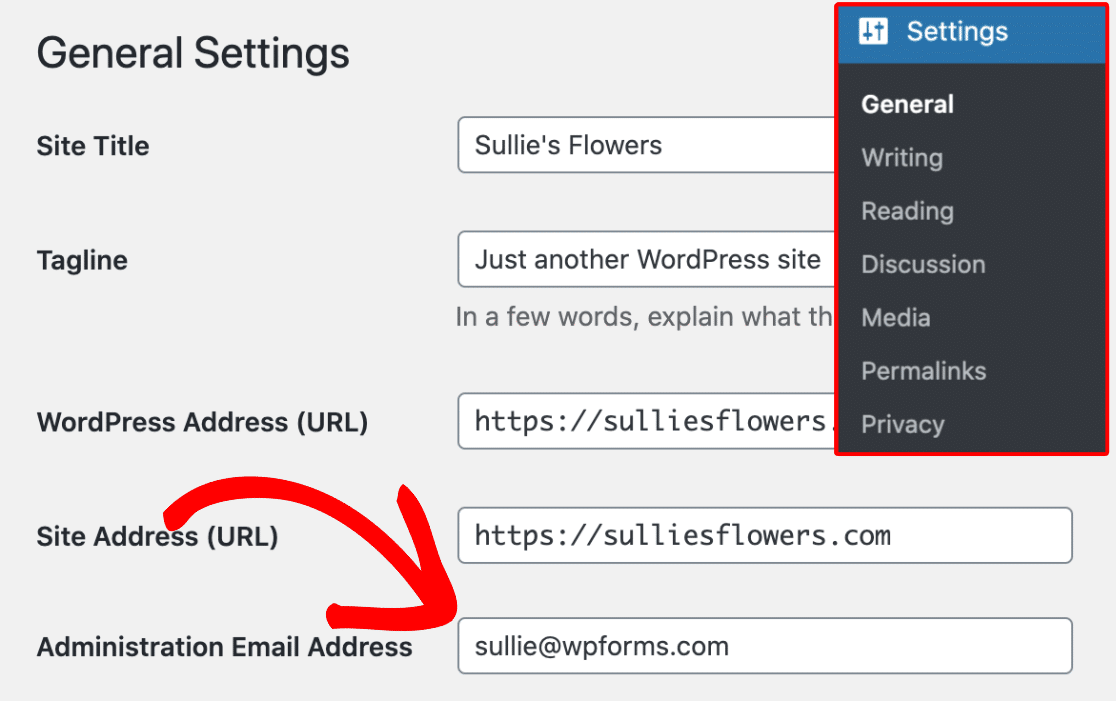
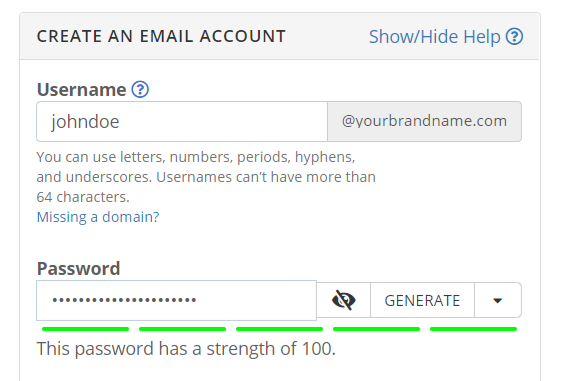
A quick word on what to put there. I’d use a branded address at your own domain, like [email protected], rather than a free Gmail or Yahoo account.
It looks more professional and it’s easier to keep when you change hosts. If you don’t have one yet, here’s how to set up a free business email address.
What surprises people is that WordPress won’t switch the address right away. It first sends a confirmation link to the new email and shows a pending notice until you click that link.

Open the new inbox, click the link, and the change is done. If that email never shows up, don’t worry, you’re not stuck. Skip down to the email delivery fix below and then come back to finish this step.
Method 2: Change a User’s Email Address
The site administration email and your personal user email are separate, so changing one doesn’t touch the other. To update a user account, go to Users » All Users and click Edit under the person you want to change.

This opens that user’s profile. Scroll down to the Email field and type in the new address.

Go ahead and click Update Profile at the bottom to save your changes.
If you’re editing your own account while logged in, WordPress sends a confirmation email to the new address, and you’ll need to click the link inside to finish the change.
That’s the same confirmation step as before, which brings us to the problem that stops a lot of people in their tracks.
Not Getting the Confirmation Email? Fix WordPress Email Delivery First
This is the real reason people get stuck on what looks like a simple task. You genuinely cannot finish the change if the confirmation email doesn’t reach you, and a huge number of WordPress sites have trouble sending email in the first place.
The cause is technical but worth understanding, because by default WordPress sends mail using the PHP mail() function, which most hosting servers don’t set up properly.
Without proper authentication, providers like Gmail and Outlook treat those messages as suspicious, so they land in spam or get dropped entirely. That’s why your WordPress site isn’t sending emails the way you’d expect.
The fix is to route your email through a proper authenticated service using WP Mail SMTP, the most popular email deliverability plugin for WordPress.
It reconfigures the way WordPress sends mail so your messages, including that admin confirmation, actually reach the inbox, and the free version is all you need here.
While you’re setting things up, it’s a good moment to configure your WordPress email settings the right way so everything your site sends gets through.
Install WP Mail SMTP (It’s Free)
Go ahead and grab the plugin. The simplest way is to search for WP Mail SMTP under Plugins » Add New in your dashboard.
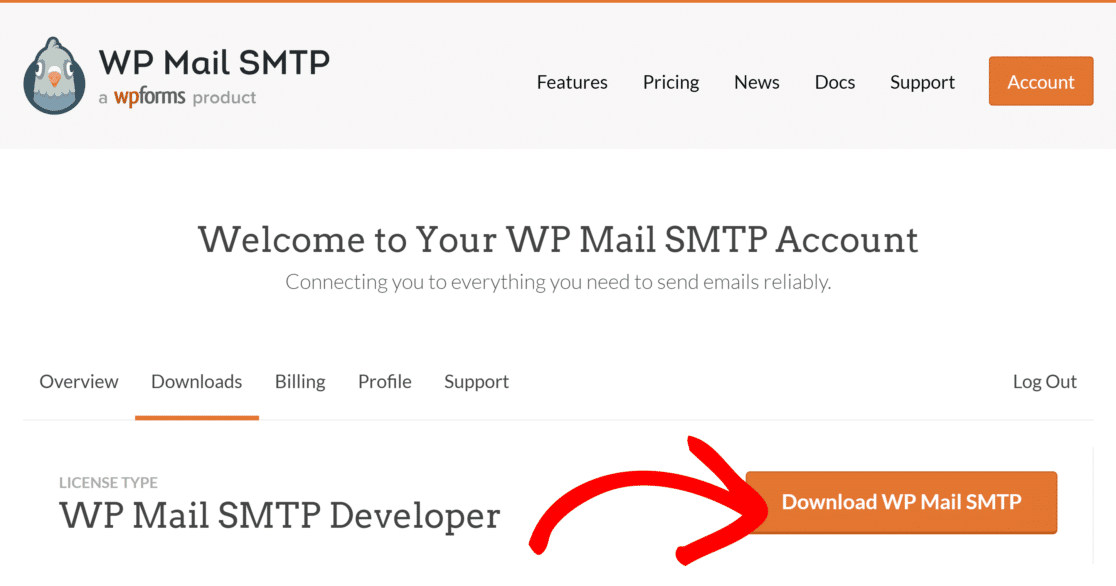
If you’ve bought a license, you can also download the plugin from the Downloads tab in your WP Mail SMTP account and upload it manually, which is what the screenshots below show.
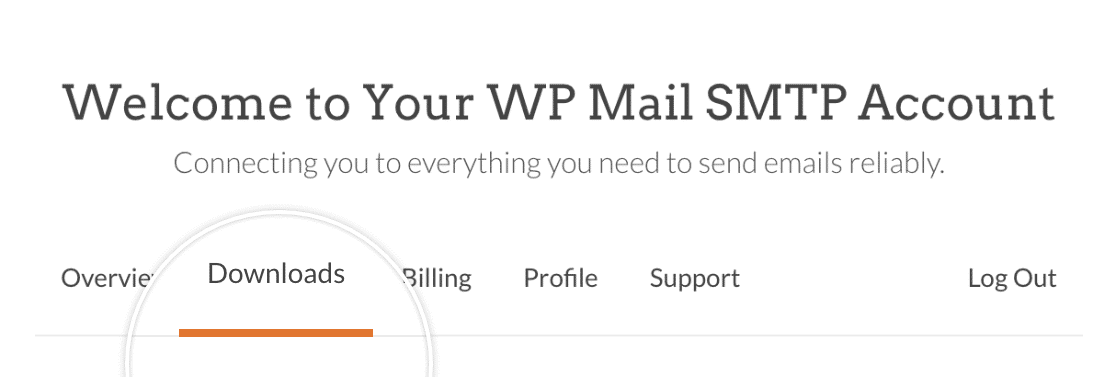
Click the Download WP Mail SMTP button to save the zip file to your computer.
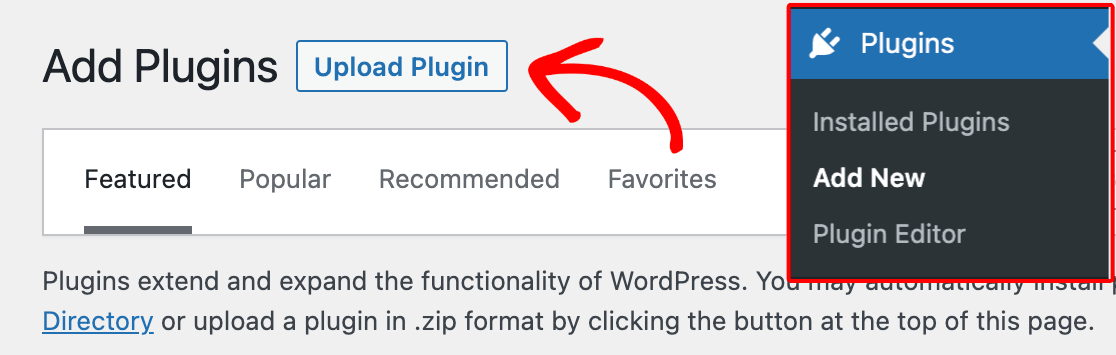
Back in your dashboard, go to Plugins » Add New and press the Upload Plugin button.
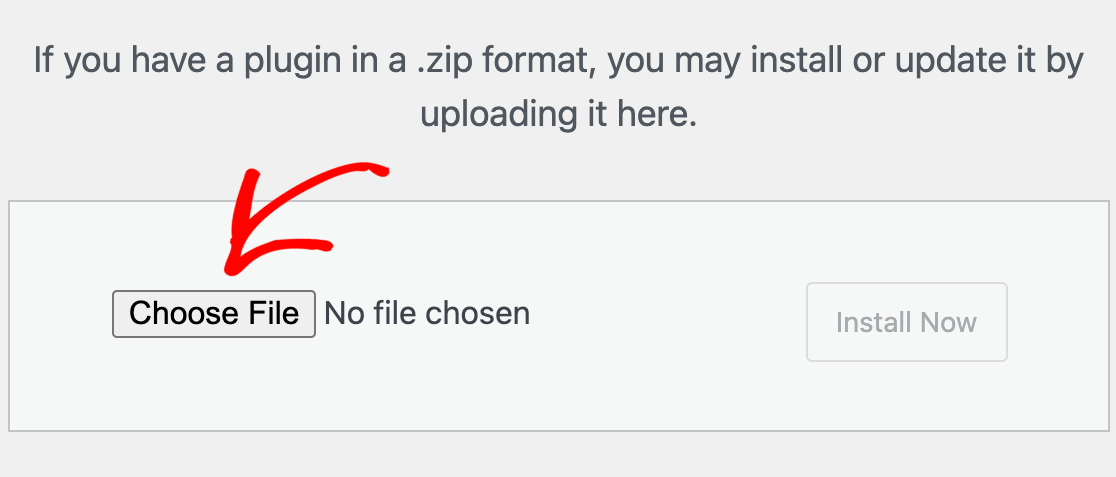
Click Choose File and select the WP Mail SMTP zip you just downloaded.
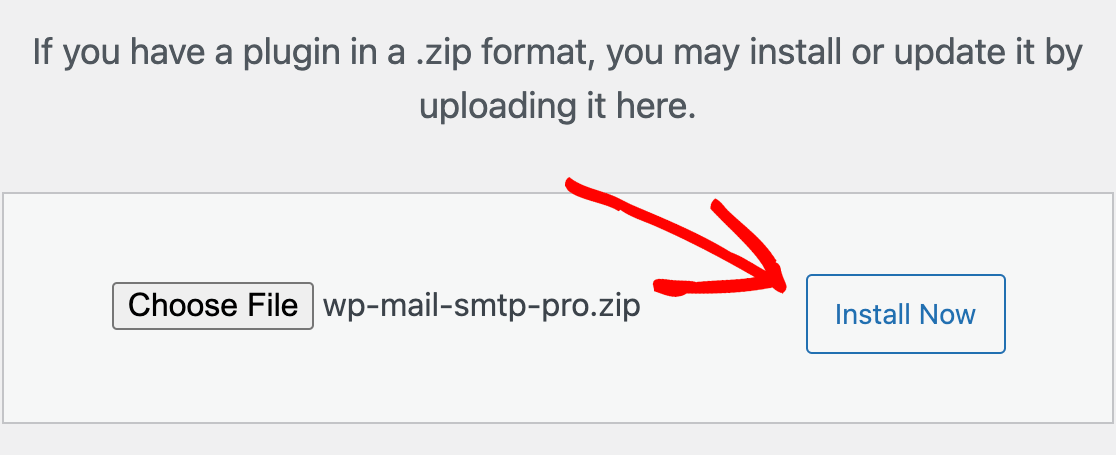
Once the file uploads, click Install Now.
When the install finishes, click Activate Plugin.
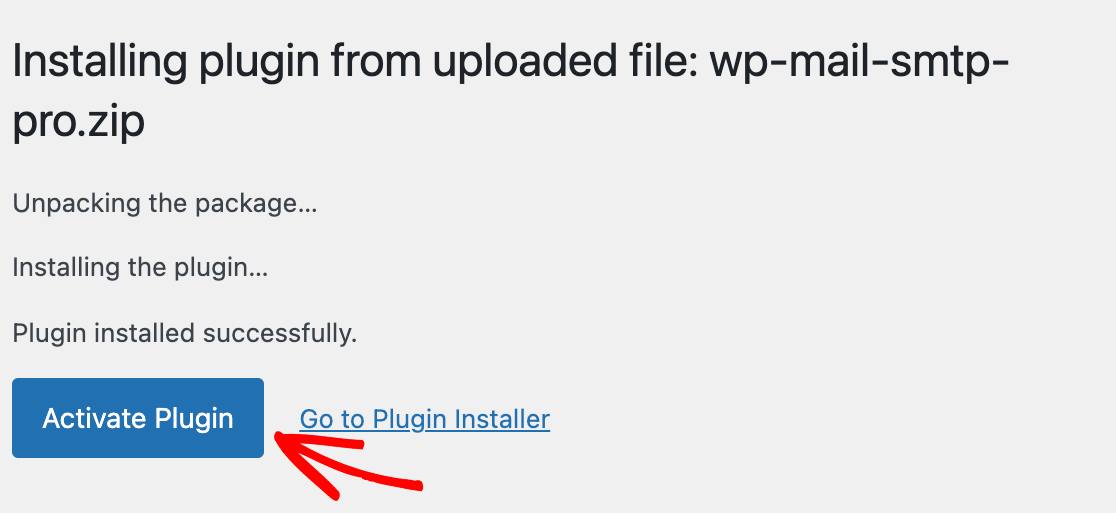
That’s the plugin installed and ready to set up.
Connect WP Mail SMTP to SendLayer
Now you need to connect your site to a mailer, which is the service that does the actual sending. WP Mail SMTP works with all the major providers, and you can compare the best SMTP service providers if you have a preference.
For this walkthrough I’ll use SendLayer, since it’s the one WP Mail SMTP recommends first and the free trial covers a few hundred emails, which is plenty for confirming an address.
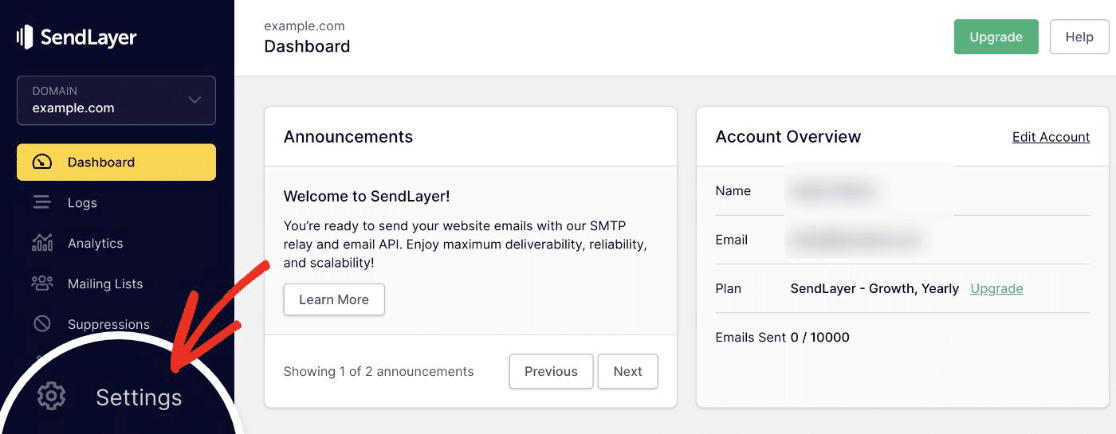
If you don’t have an account yet, follow SendLayer’s short guide on creating a new account. Once you’re in, log into the SendLayer dashboard and authorize your domain so your emails are verified as genuine.
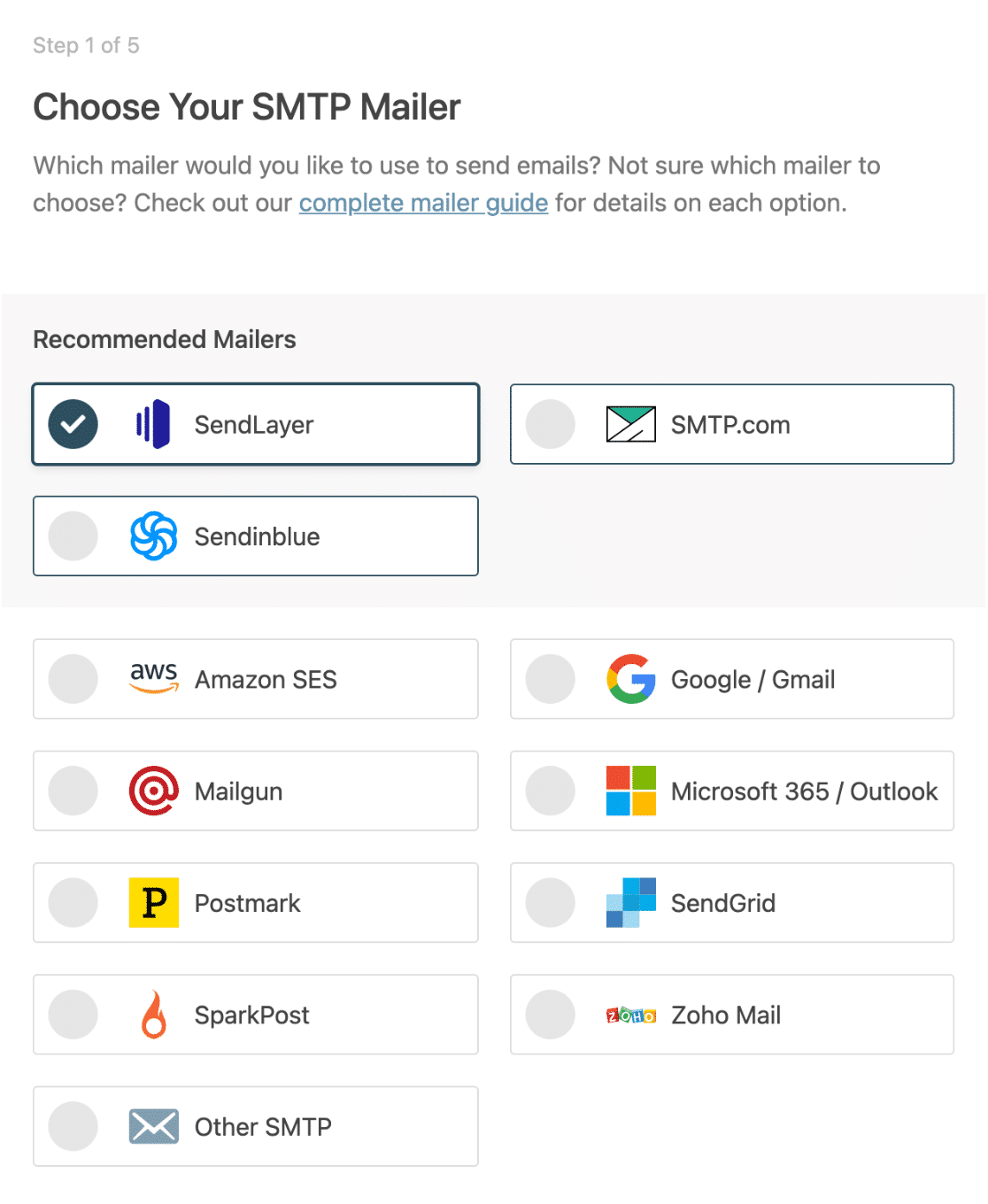
With your domain authorized, head back to your WordPress dashboard. WP Mail SMTP opens its Setup Wizard automatically, where you select SendLayer as your mailer and continue.
WP Mail SMTP also has a newer SendLayer Quick Connect option that links the two in about two minutes without any DNS setup, but the standard steps here work on any site. Next, the wizard asks for a few details:
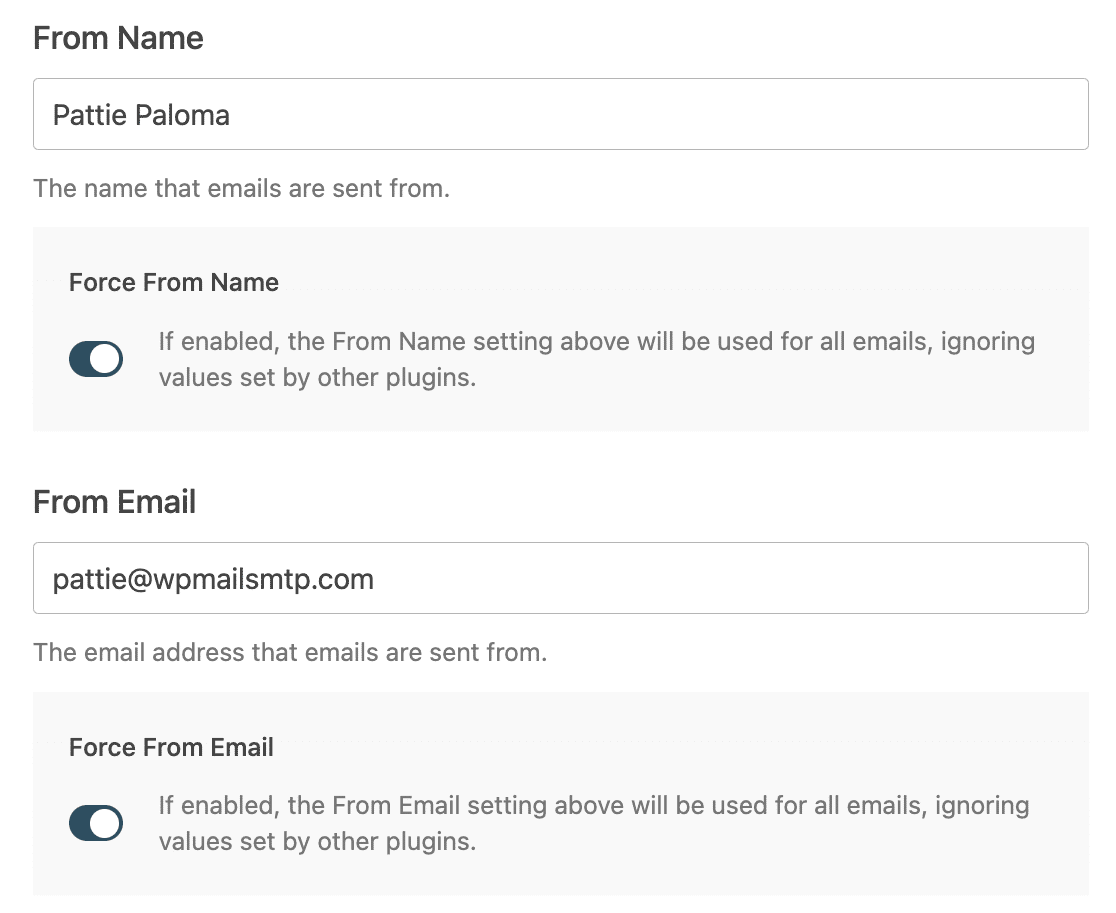
- API key: Copy this from your SendLayer dashboard.
- From Name: The name you want your emails to come from.
- From Email: The address your site sends from, which is your new admin email address.
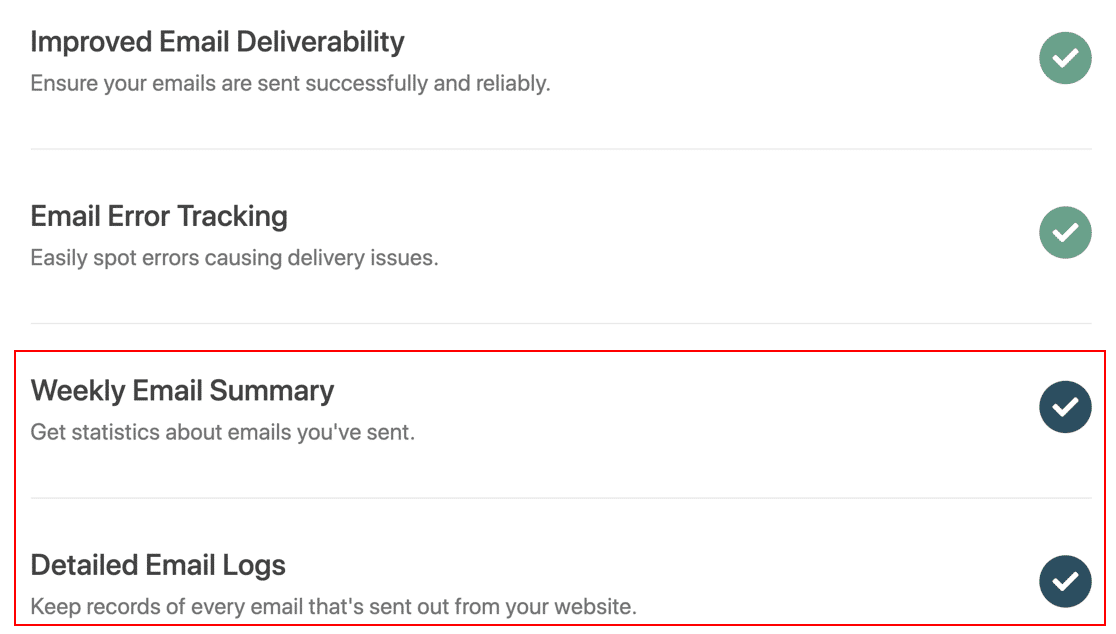
Toward the end of the wizard, you can turn on the weekly email summary and email logging so you have a record of what your site sends.
I’d switch these on, since they make it easy to keep a log of every email your site sends and spot delivery problems early.
Now go back to Settings » General (or your user profile) and request the email change again. This time the confirmation will reach your inbox, you click the link, and the new admin email is live.
Method 3: Change the Admin Email Without Confirmation (Using phpMyAdmin)
If you can’t get into your dashboard at all, you can change the admin email directly in your site’s database. This skips the confirmation step entirely, so it’s the fallback when nothing else works.
Back up your database first, since you’re editing it by hand. Here’s the process:
- Log into your hosting control panel and open phpMyAdmin. Many hosts also let you reach the database from their own dashboard.
- Select your WordPress database and open the wp_options table. Your table prefix might be different from
wp_, so look for the matching name. - Find the row where the option_name is admin_email.
- Click Edit, replace the value in option_value with your new address, and save.
That updates the site administration email immediately, with no confirmation step at all.
To change a specific user’s login email this way, open the wp_users table instead, find the user, and edit the user_email field. Once you’re back in, I’d still set up WP Mail SMTP using the steps above so your future emails actually send.
FAQs on Changing the WordPress Admin Email
Here are the questions I see most often when people change their WordPress admin email address.
Why isn’t my WordPress admin email changing?
In almost every case, the change is pending confirmation. WordPress sends a verification link to the new address and won’t switch until you click it.
If that email isn’t arriving, your site has an email delivery problem, so set up WP Mail SMTP as described above and request the change again.
What’s the difference between the administration email and a user’s email?
The administration email under Settings » General is the site-wide contact for admin notices like updates and new registrations.
A user’s email lives on their profile under Users and handles their password resets and personal notifications. They’re separate, so changing one doesn’t change the other.
How do I change the admin email if I’m locked out?
Use the database method in phpMyAdmin. Open the wp_options table, find the admin_email row, and edit its value. This bypasses the confirmation email, which is what makes it useful when you can’t log in or receive mail.
Where is the WordPress admin email stored?
Your site administration email is stored in the wp_options table under the admin_email option name. Individual user emails are stored in the wp_users table in the user_email field.
Next, Prevent Unauthorized Password Resets
If you constantly receive password recovery emails, it could be someone trying to break into your website. Prevent these annoying notifications and learn how to prevent spambots from sending unauthorized password reset requests.
Once your WordPress emails are reaching the inbox reliably, the notifications from your contact and signup forms get through too, which means you actually see the leads people send you.
Create Your WordPress Form Now
Ready to build your form? Get started today with the easiest WordPress form builder plugin. WPForms Pro includes lots of free templates and offers a 14-day money-back guarantee.
If this article helped you out, please follow us on Facebook and X (Twitter) for more free WordPress tutorials and guides.